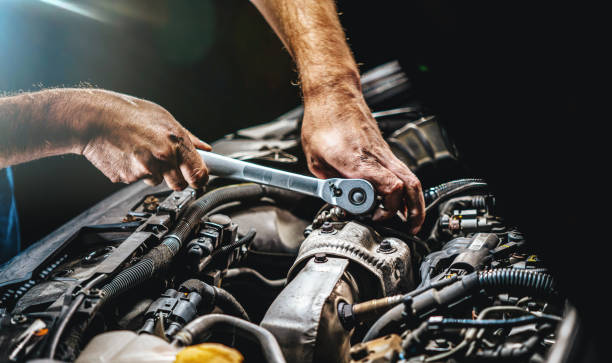
A brake repair shop that protects braking performance
Maximize Your Cars Life-span With Routine Vehicle Service, Including Tire Treatment and Upkeep
Routine car service plays an important duty in making the most of a car's life-span. Routine maintenance guarantees peak efficiency and security. Key aspects consist of timely oil changes and diligent tire treatment. Ignoring these aspects can lead to substantial problems down the line. Understanding the value of these services is crucial for any lorry proprietor - auto repair. What particular techniques can one take on to boost their lorry's long life and effectiveness? The answers may stun you
The Value of Regular Car Service
Routine auto service personifies the principle of precautionary treatment, ensuring lorries operate effectively and securely. Regular maintenance not just boosts the efficiency of a car but likewise expands its lifespan, making it a substantial aspect of possession. By recognizing potential concerns early, routine solution decreases the risk of expensive repair work and failures. Additionally, routine checks can enhance fuel efficiency, adding to general expense financial savings for the proprietor. Safety is one more important consideration; properly maintained vehicles are much less vulnerable to crashes, shielding guests and vehicle drivers alike. Furthermore, adhering to a service schedule can support guarantee conditions, allowing owners to fully benefit from their financial investment. To conclude, routine automobile solution is an important method that cultivates reliability and satisfaction in vehicle possession.
Secret Components of Automobile Maintenance
Effective vehicle upkeep entails a number of crucial parts that jointly ensure peak performance and safety. Normal oil adjustments are essential, making certain the engine runs efficiently and effectively. Liquid checks, including coolant and brake liquid, assistance avoid overheating and warranty trustworthy braking. Changing and evaluating air filters promotes optimal engine performance and air top quality within the lorry. Brake system upkeep is vital for safety, calling for regular inspections and prompt replacement of pads and blades. Battery wellness ought to additionally be kept an eye on to avoid unanticipated failures. Furthermore, normal evaluations of belts and tubes can prevent breakdowns. Maintaining lights and signals functioning properly is essential for secure driving. Together, these elements create the structure of efficient lorry maintenance.
Understanding Tire Care and Upkeep
Tire treatment and maintenance are crucial for making certain car security and performance. Appropriate tire stress surveillance, understanding walk deepness relevance, and regular rotation and positioning can substantially boost tire longevity and driving efficiency. Dealing with these elements not just advertises a smoother adventure however likewise adds to overall lorry wellness.
Tire Stress Monitoring
Keeping perfect tire pressure is crucial for vehicle security and efficiency. Correct tire inflation warranties ideal call with the roadway, enhancing traction and stability. Insufficient pressure can lead to increased tire wear, reduced fuel efficiency, and a higher threat of blowouts. On the other hand, overinflated tires can endanger handling and adventure convenience. Normal tracking of tire pressure is important, as variations can take place as a result of temperature level modifications or natural air loss. Most automobiles come outfitted with a Tire Stress Tracking System (TPMS), which notifies drivers when tire stress drops outside suggested levels. It is suggested to perform hands-on checks periodically, making use of a trustworthy gauge. By remaining attentive with tire pressure, chauffeurs can significantly improve the life-span of their tires and general vehicle security.

Tread Depth Relevance
How does walk deepness influence vehicle security and efficiency? Tread depth is essential for preserving correct hold on the roadway, specifically in slippery or damp problems. Not enough walk can bring about reduced traction, enhancing the danger of hydroplaning and crashes. In addition, shallow tread depth affects braking distance, making it harder for motorists to quit quickly in emergencies. The legal minimum tread depth in numerous regions is 2/32 of an inch, but experts recommend 4/32 of an inch for peak performance. Consistently examining step depth guarantees that tires provide adequate performance throughout their lifespan. Correct step upkeep not just enhances safety but additionally adds to better fuel performance, inevitably prolonging the car's lifespan and lowering long-term expenses.
Rotation and Alignment Tips
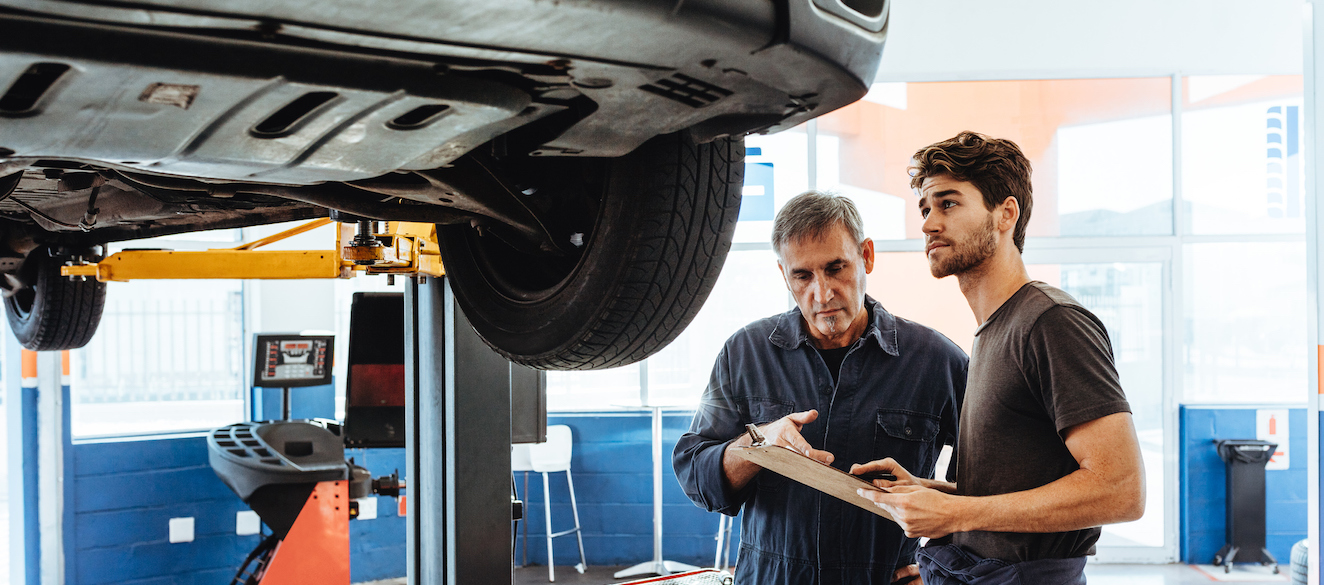
Normal tire upkeep prolongs beyond checking step deepness; it consists of appropriate rotation and placement to assure peak efficiency and security. Tire rotation must usually take place every 5,000 to 7,500 miles, depending on the vehicle and tire kind. This method helps advertise even walk wear, expanding tire life expectancy and improving more info handling. In addition, routine wheel positioning is necessary, as imbalance can lead to irregular tire wear and compromised steering. Indicators of imbalance may consist of drawing away or a crooked guiding wheel. Vehicle drivers should have their automobile's alignment checked annually or whenever they discover these signs and symptoms. By sticking to these tips, automobile owners can improve tire longevity, boost security, and maintain ideal performance when traveling.
Indications Your Lorry Requirements Immediate Focus
When a car exhibits advising lights on the dashboard, it indicates that something might be amiss and calls for prompt investigation. In addition, unusual sounds can indicate underlying issues that, if left unaddressed, might bring about more considerable troubles. Recognizing these indications is important for maintaining car safety and security and efficiency.
Warning Lights Illuminate
Although numerous motorists might overlook warning lights, their illumination commonly signifies that a car needs instant interest. If neglected, caution lights offer as essential signs of underlying issues that might lead to much more severe troubles. Usual lights consist of the check engine light, oil pressure caution, and battery alert, each showing a certain worry that requires prompt investigation. Neglecting these signals can lead to expensive repairs or hazardous situations when driving. Chauffeurs ought to refer to their proprietor's handbook to comprehend the significance of each light and take ideal action when one illuminates (oil change service). Routine monitoring of advising lights is imperative for keeping car health and wellness and making sure safety while driving. Prompt focus to these notifies can significantly extend a lorry's life expectancy
Unusual Sounds Occur
Disregarding warning lights is not the only way drivers can ignore prospective vehicle problems; unusual noises can additionally signal that instant attention is needed. A grinding sound when braking might show worn brake pads, while a piercing screech can suggest a belt problem. In addition, knocking or tapping sounds from the engine might indicate serious mechanical problems, requiring punctual evaluation. If an automobile releases hissing or gurgling sounds, it may be leaking fluids, which can result in additional complications if not attended to. Vehicle drivers ought to not disregard these auditory hints, as they frequently show underlying problems that might jeopardize security and efficiency. Timely treatment can prevent costly repair work and extend the car's life expectancy significantly.
Benefits of Routine Examinations
Regular exams play an essential duty in keeping an automobile's overall efficiency and durability. By organizing regular evaluations, vehicle drivers can recognize prospective concerns prior to they escalate into expensive repair work. These exams generally consist of analyses of critical parts such as liquids, filters, and brakes, ensuring that the vehicle operates efficiently. In addition, constant maintenance enhances security by attending to any damage that can cause hazardous scenarios when traveling. Routine exams additionally contribute to boosted fuel performance, as a well-kept car runs smoother and eats less gas. Eventually, these preventative measures not just extend the life of the lorry but additionally offer assurance for the owner, recognizing that their automobile remains in prime condition.
Cost-efficient Tips for Automobile Longevity
To make the most of vehicle long life without breaking the bank, chauffeurs can take on a number of cost-effective techniques that promote maintenance and treatment. Regular oil modifications, typically every 3,000 to 5,000 miles, are necessary for engine health and can avoid expensive repair services. Furthermore, maintaining appropriate tire pressure and turning tires frequently can expand their lifespan, enhancing gas efficiency. Motorists need to additionally keep track of fluid degrees, such as coolant and brake liquid, to avoid prospective concerns. Straightforward tasks like keeping the car clean, both throughout, can secure paint and indoor coatings, reducing lasting wear. Inevitably, dealing with minor repairs quickly can stop a lot more substantial troubles, ultimately saving money and improving the automobile's general long life.
Regularly Asked Inquiries
Just how Often Should I Change My Lorry's Oil?
What Is the Recommended Tire Pressure for My Lorry?
The suggested tire pressure for many lorries typically ranges in between 30 to 35 psi. This value can vary based on the car version, so referring to the owner's handbook or the sticker label inside the chauffeur's door is advisable.
Do I Need to Revolve My Tires Regularly?

Can I Execute Maintenance Myself to Save Money?
Yes, an individual can execute specific maintenance jobs themselves to conserve cash. They ought to assure they possess the necessary abilities and understanding, as inappropriate maintenance may lead to expensive fixings or safety and security problems later on.
Just How Can Weather Influence My Vehicle's Performance?